31 Aug 2026
New UK Casino Brands Continue Launching in 2026 Despite Rising Regulatory Costs

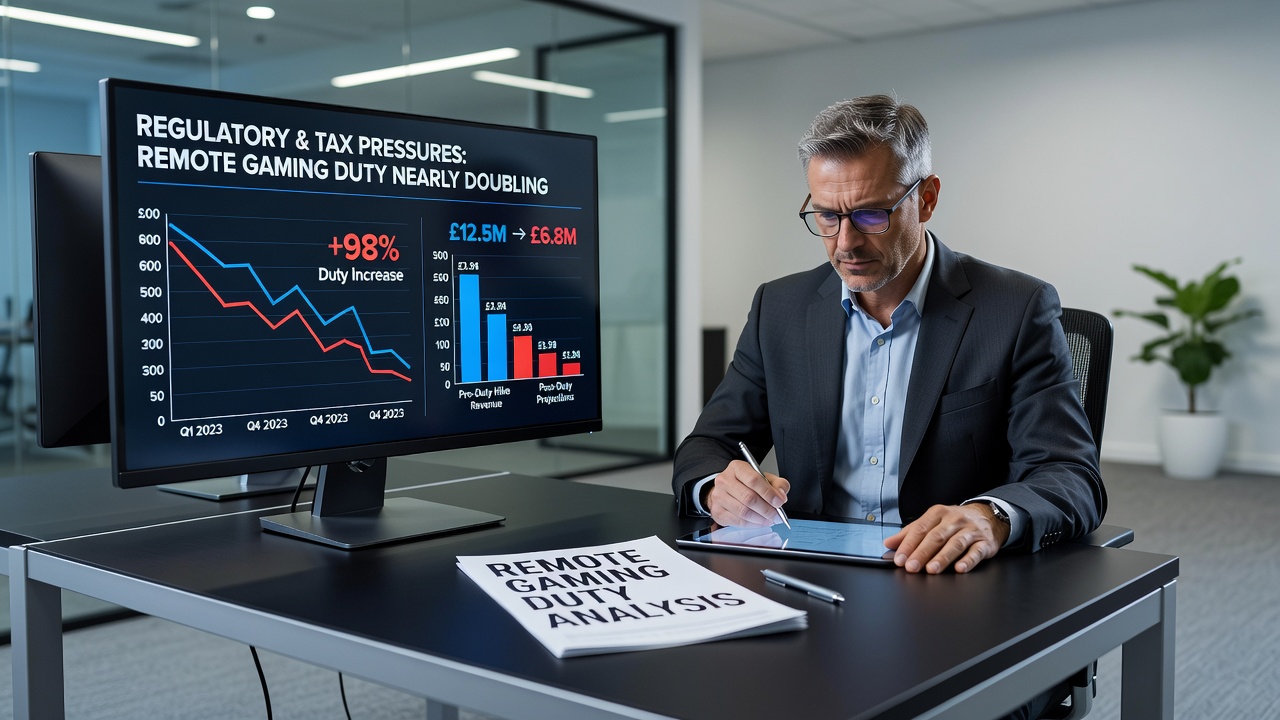
Despite the Remote Gaming Duty nearly doubling to 40 percent from April 2026 along with a 25 percent increase in Gambling Commission licence fees scheduled for October 2026, fresh online casino brands keep appearing at a steady pace throughout the year, and observers note that most operate as additional skins or white-label sites under licences already held by established platform providers such as Skill On Net Limited rather than as new standalone licensees.
The pattern reflects a market where barriers to entry remain lower for brands that rely on existing infrastructure, while consolidation pressures build at the licensee level as operators navigate higher tax and compliance expenses, according to industry reports dated August 2026.
Regulatory Pressures Shaping the Landscape
The Remote Gaming Duty adjustment and the forthcoming licence fee hike form part of a broader tightening that has affected multiple segments of the UK gambling sector since earlier in the decade, yet data from regulatory filings shows continued activity in brand creation even as overall licensee numbers face scrutiny, and experts point out that white-label arrangements allow operators to test new consumer-facing sites without incurring the full cost of separate licensing applications.
People familiar with the registration process explain that a single platform provider can support numerous branded sites under one master licence, which reduces the administrative burden and spreads fixed compliance costs across multiple revenue streams while the underlying operator absorbs the duty increases.
White-Label Model Lowers Entry Barriers
White-label and skin arrangements have gained traction because they let marketing teams focus on customer acquisition and user experience while the technical and regulatory responsibilities stay with the licensed platform holder, and recent figures indicate that this structure accounts for the majority of new casino sites appearing in 2026 rather than fresh applications for independent licences.
Those who have examined the Gambling Commission register note that the number of active licensee entities has grown more slowly than the visible brand count, confirming that consolidation at the top level coexists with proliferation at the consumer-facing level, and this dynamic allows smaller marketing groups to enter the market without building full compliance departments from scratch.
Recent Brand Examples
Betcrown and 44aces represent two sites launched under this model in recent months, each running on infrastructure provided by an existing licensee and thereby avoiding the need for separate regulatory approval processes that would otherwise apply to new standalone operators, according to listings referenced in August 2026 coverage.
Observers tracking the Gambling Commission register have documented similar patterns across multiple platform providers, where one master licence supports a growing portfolio of branded domains that compete on design, promotions, and game libraries while sharing the same backend compliance framework.
Consolidation Trends at Licensee Level
At the licensee level, larger operators have pursued mergers and acquisitions to achieve economies of scale that offset higher duty payments and fee increases, and industry data reveals that several mid-sized entities have consolidated their holdings rather than expand through new licence applications, which creates space for white-label brands to fill the visible market gaps without adding to the overall number of licensed companies.
Researchers who monitor licence movements point out that this two-tier structure has stabilised the number of principal licence holders while permitting continued innovation in site presentation and player targeting, and the approach aligns with regulatory expectations that all activity must occur under properly authorised entities.
Market Implications Moving Forward
The combination of elevated costs and flexible brand deployment has produced a market where new consumer options continue to surface even as the underlying regulatory framework tightens, and analysts tracking activity through the second half of 2026 expect the pattern to persist as long as platform providers maintain capacity under their existing licences.
Those monitoring the sector note that consumer choice remains wide because multiple skins can differentiate themselves through unique interfaces and loyalty schemes while operating under identical technical and tax obligations, which keeps the visible marketplace active without requiring additional regulatory approvals at each launch.
Conclusion
The developments reported in August 2026 illustrate how the UK online casino sector adapts to increased financial pressures through established licensing structures that support multiple branded sites, and the continued appearance of names such as Betcrown and 44aces demonstrates that white-label operations remain a viable route for market entry while consolidation proceeds among the companies that hold the underlying licences.